

We may earn money or products from the companies mentioned in this post.
Building a Sustainable Kitchen: 25+ Eco-Friendly Swaps That Actually Work
At LifeCrafted Co., we believe every journey begins at home – and there’s no better place to start crafting a more intentional life than in your kitchen.
You know that moment when you’re standing in your kitchen, surrounded by takeout containers and single-use everything, and you suddenly realize this space doesn’t reflect the life you’re trying to create? I’ve been there. In fact, I lived there for way too long.
A couple of years ago, fresh off my journey of getting back to zero financially, I found myself looking at my kitchen with new eyes. Here I was, someone who had just learned the power of intentional choices and mindful living, yet my kitchen was still operating on autopilot – filled with disposable convenience and plastic everything.
That’s when it hit me: if I was going to truly craft the life I wanted, it had to start with the space where I nourish myself and my family every single day. Because here’s what I’ve learned through my own journey – every aspect of our lives is connected. The choices we make in our kitchens ripple out into our health, our finances, our environmental impact, and our overall sense of living with purpose.
At LifeCrafted Co., we’re all about thoughtfully crafting every journey, and today I’m sharing the sustainable kitchen swaps that have not only transformed my cooking space but have become an integral part of living more intentionally.
Why Your Kitchen is the Heart of Intentional Living
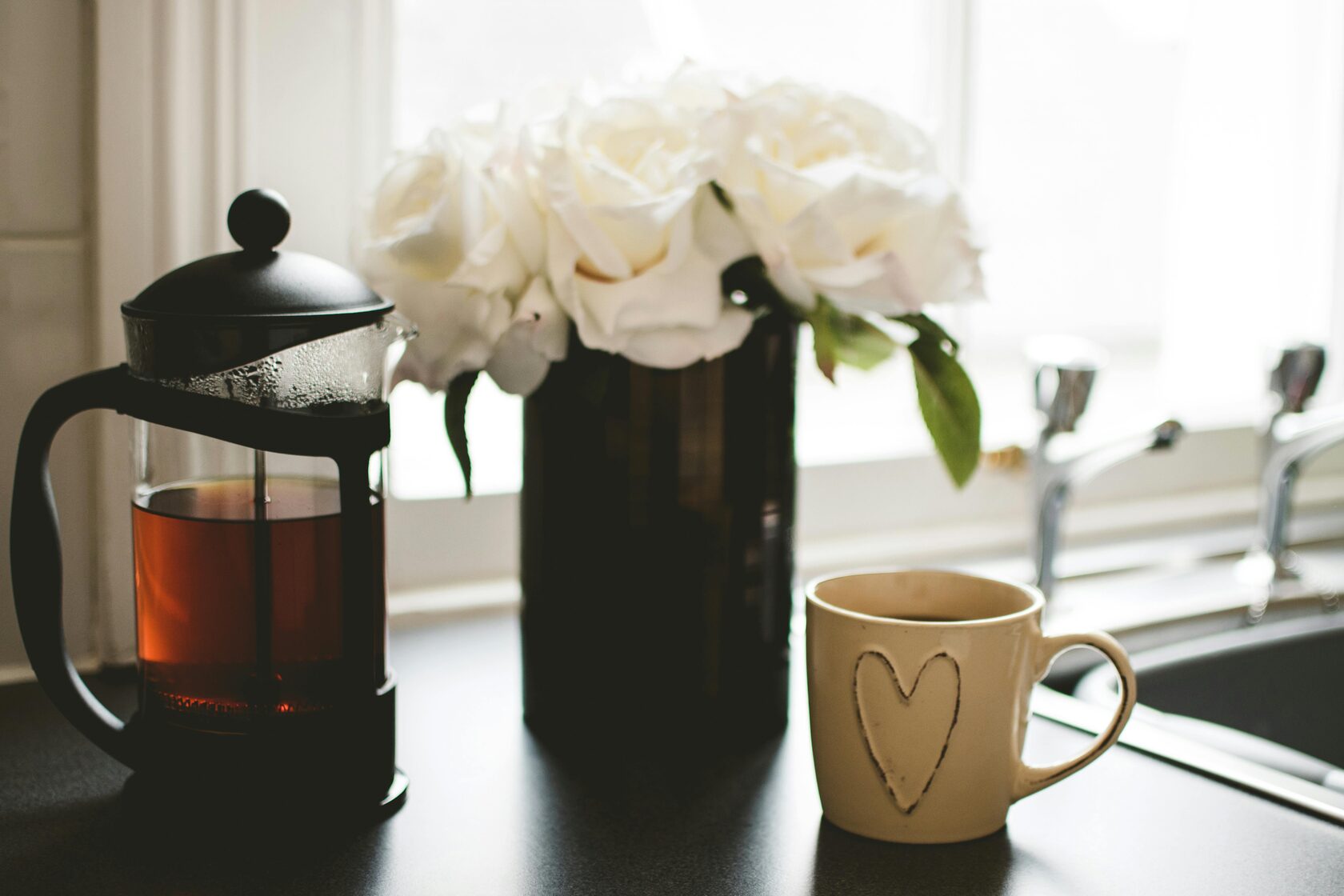
Before we dive into the practical swaps, let’s talk about why this matters for those of us on a journey toward more mindful living. Your kitchen isn’t just where you prepare food – it’s where you make daily choices that either align with your values or work against them.
When I was paying off my massive debt, I learned that small, consistent choices compound into life-changing results. The same principle applies to sustainable living. Every time you reach for a reusable container instead of plastic wrap, or choose to make something from scratch instead of buying it packaged, you’re crafting a more intentional life.
The average household generates about 76 pounds of food packaging waste every month. That’s nearly 1,000 pounds a year of stuff that was used for minutes but will stick around for centuries. But here’s the beautiful thing – when you start making thoughtful swaps in your kitchen, you’re not just reducing waste. You’re creating a space that supports the wellness-focused, environmentally conscious lifestyle you’re crafting.
The LifeCrafted Approach to Sustainable Swaps
Let me be completely transparent with you (because that’s what we do here at LifeCrafted Co.) – building a sustainable kitchen isn’t about perfection or keeping up with anyone else’s Pinterest-worthy space. It’s about making choices that feel authentic to your journey and values.
Just like when I was getting my financial life together, the key is starting where you are and making changes that actually fit your real life – not some idealized version of it. Some of these swaps require a bigger upfront investment. Some need a bit more planning. And some might make your family think you’ve gone a little crunchy (guilty as charged!).
But here’s what I’ve discovered: when you align your daily choices with your values, everything starts to feel more intentional. Your kitchen becomes a place where you’re actively crafting the life you want, one meal and one choice at a time.
Thoughtfully Curated Storage Solutions
1. Glass Food Storage – The Foundation of an Intentional Kitchen
Investment: $50-80 for a starter set | LifeCrafted Rating: Essential
When I was rebuilding my life after debt, I learned the value of investing in quality items that last. Glass storage containers are exactly that kind of investment. After years of mismatched plastic containers that absorbed odors and never quite sealed properly, switching to glass was like upgrading from chaos to calm.
Why they’re essential for intentional living: Food stays fresher longer (reducing waste), no plastic chemicals leaching into your food, and they’re beautiful enough to go from fridge to table. There’s something deeply satisfying about opening your refrigerator and seeing organized, clean glass containers instead of a collection of random takeout boxes.
The LifeCrafted reality check: Yes, they’re heavier than plastic, and yes, they can break. But I’ve had my set for three years, and the clarity and peace of mind they bring to my kitchen routine is worth every penny.
2. Beeswax Food Wraps – Mindful Food Storage
Investment: $20-30 for a variety pack | LifeCrafted Rating: Love Them
I’ll admit, I was skeptical about these at first. They seemed like one of those things that work great in theory but fall apart when you’re trying to quickly wrap up leftovers on a Tuesday night. But they’ve become one of my favorite examples of how sustainable choices can actually make life more pleasant.
Why they align with our values: They’re naturally antibacterial, they mold to whatever you’re covering when warmed by your hands, and there’s something almost meditative about using them. Instead of frantically fighting with plastic wrap, you slow down for just a moment to mindfully cover your food.
LifeCrafted tip: Start with a variety pack to see which sizes you use most, then invest in more of those specific sizes.
3. Silicone Stretch Lids – Simple Solutions for Daily Life
Investment: $15-20 for a set | LifeCrafted Rating: Surprisingly Useful
These little game-changers stretch over bowls, cans, jars, or pretty much anything round. I use them constantly for covering bowls of rising bread dough (yes, I’m that person who makes bread now), leftover soup, or that half can of tomato sauce.
The LifeCrafted advantage: They create a better seal than plastic wrap, they’re dishwasher safe, and they’re practically indestructible. It’s the kind of simple solution that makes daily life just a little bit easier.
Cooking Tools That Support Wellness
4. Cast Iron Cookware – An Investment in Health and Flavor
Investment: $25-60 for a quality skillet | LifeCrafted Rating: Life-Changing
This swap represents everything we believe in at LifeCrafted Co. – choosing quality over convenience, investing in items that get better with time, and making choices that support both our health and our values.
Cast iron was intimidating at first (so many rules!), but once I got the hang of it, it became my most-used piece of cookware. It goes from stovetop to oven, it gets better with age, and it’ll outlast pretty much everything else in my kitchen.
Why it fits the LifeCrafted lifestyle: No toxic non-stick coating, incredible heat retention that makes food taste better, and it actually adds iron to your food. Plus, there’s something deeply satisfying about cooking with a tool that your grandmother might have used.
The learning curve: Yes, you need to dry it thoroughly and season it occasionally. But honestly, once it becomes habit, it’s no big deal. And the cooking results are so much better than any non-stick pan I’ve ever used.
5. Sustainable Cutting Boards – The Foundation of Food Prep
Investment: $20-50 depending on material | LifeCrafted Rating: Worth the Upgrade
I used to have a collection of plastic cutting boards that looked like they’d survived a war zone. Now I use bamboo for everyday prep (it’s naturally antibacterial and renewable) and stainless steel for meat and messier tasks.
The wellness connection: Better for your knives, more hygienic than plastic, and they look beautiful enough to leave on your counter as part of your kitchen’s aesthetic.
Mindful Shopping and Daily Rituals
6. Reusable Produce Bags – Small Actions, Big Impact
Investment: $10-15 for a set | LifeCrafted Rating: Feel-Good Essential
This swap makes me feel like I have my life together every single time I use them. There’s something so satisfying about unloading groceries without a pile of plastic produce bags to deal with.
The LifeCrafted approach: I keep sets in multiple places – my car, my main grocery bag, and a backup set at home. This way, I’m never caught without them because they’re always where I need them.
7. Glass Water Bottles – Hydration with Intention
Investment: $20-40 for quality bottles | LifeCrafted Rating: Daily Essential
Staying hydrated is fundamental to wellness, and carrying your own water is both environmentally conscious and economically smart. This swap saves me $20-30 a month while ensuring I always have clean, chemical-free water with me.
Why it’s perfect for the LifeCrafted lifestyle: It’s a simple daily practice that supports your health, saves money, and aligns with environmental values. I have different bottles for different purposes – insulated for hot drinks, large for workouts, smaller for everyday carrying.
Creating Cleaning Rituals That Feel Good
8. Microfiber Cloths – Rethinking Paper Towels
Investment: $20 for a starter pack | LifeCrafted Rating: Surprisingly Transformative
This was probably my hardest swap because I was seriously attached to the convenience of paper towels. But making this change taught me something important about the LifeCrafted philosophy – sometimes the choices that require a bit more intention end up bringing more satisfaction.
The system that works: I use different colored cloths for different purposes – blue for general cleaning, yellow for kitchen surfaces, white for bathrooms. It prevents cross-contamination and keeps me organized.
9. Concentrated Cleaning Products – Simplicity and Efficiency
Investment: $15-25 for concentrates | LifeCrafted Rating: Smart Choice
Instead of buying new plastic bottles every time I run out of cleaner, I refill my spray bottles with concentrates. One bottle lasts about six months and eliminates so much packaging waste.
The LifeCrafted benefit: Less clutter under your sink, less frequent shopping trips, and usually more economical per use.
10. Homemade All-Purpose Cleaner – Simple Ingredients, Powerful Results
Investment: Under $10 for months of supply | LifeCrafted Rating: Beginner-Friendly
My recipe is beautifully simple: equal parts water and white vinegar, plus essential oils for scent. It cleans almost everything, costs pennies to make, and I know exactly what’s in it.
Recipe for intentional cleaning: 1 cup water, 1 cup white vinegar, 10-15 drops of your favorite essential oil. Mix in a spray bottle and use for most cleaning tasks.
Coffee and Kitchen Rituals
11. French Press or Pour-Over Setup – Mindful Morning Rituals
Investment: $20-50 | LifeCrafted Rating: Ritual-Enhancing
As someone who definitely needs coffee to function, this swap had to work seamlessly with my morning routine. A French press or pour-over setup makes better coffee than any pod machine I’ve used, eliminates ongoing waste, and turns coffee-making into a mindful morning ritual.
The LifeCrafted morning: Instead of pressing a button and walking away, you’re present for the process – measuring, timing, pouring. It’s a small way to start your day with intention.
12. Reusable Coffee Filters – Small Change, Big Impact
Investment: $10-15 | LifeCrafted Rating: Set-and-Forget
If you’re not ready to change your coffee routine completely, switching to a reusable filter is an easy first step. I’ve had mine for two years, and it works just as well as paper filters while eliminating ongoing waste and costs.
Baking and Food Preparation
13. Silicone Baking Mats – Reusable Kitchen Magic
Investment: $15-25 for a set | LifeCrafted Rating: Kitchen Staple
These mats work for everything you’d normally use parchment paper for – baking cookies, roasting vegetables, even rolling out dough. They’re non-stick, easy to clean, and have saved me from buying parchment paper for over a year.
Perfect for meal prep: They make weekend meal prep so much easier, and cleanup is a breeze.
14. Bamboo Utensils and Tools – Natural Beauty and Function
Investment: $15-30 for a set | LifeCrafted Rating: Aesthetically Pleasing
Bamboo utensils aren’t just functional – they’re beautiful. There’s something about cooking with natural materials that makes the whole experience feel more grounding and intentional.
Care tips for longevity: Let them dry completely between uses, and oil them occasionally with food-safe oil to keep them looking beautiful.
Smart Storage and Organization
15. Mason Jar Pantry System – Functional Beauty
Investment: $20-30 for various sizes | LifeCrafted Rating: Instagram-Worthy Function
This started as a way to make my pantry look more organized, but it’s become one of my favorite functional upgrades. I buy items like oats, nuts, and spices in bulk and store them in mason jars.
The LifeCrafted advantage: You can see what you have at a glance, food stays fresher longer, and your pantry becomes a thing of beauty instead of a chaotic collection of packages.
Money-saving tip: Save glass jars from pasta sauce, pickles, and other products – they work just as well and cost nothing.
16. Cloth Napkins – Elevating Everyday Meals
Investment: $15-25 for a set | LifeCrafted Rating: Surprisingly Special
Using cloth napkins makes every meal feel a little more intentional and special. I throw them in with my regular laundry, and they’re much more absorbent than paper napkins.
Creating ritual: Something as simple as setting the table with cloth napkins transforms an ordinary dinner into a more mindful experience.
Advanced Swaps for the Committed
17. Stainless Steel Food Storage
Investment: $40-80 | LifeCrafted Rating: For the Committed
For those ready to eliminate plastic completely, stainless steel containers are unbreakable, non-reactive, and will last forever. I use them for packed lunches and storing leftovers.
18. Ceramic or Stoneware Dishes
Investment: Varies widely | LifeCrafted Rating: Investment Piece
Choose dishes that are beautiful enough to make every meal feel special, durable enough for daily use, and made from natural materials.
19. Natural Fiber Dish Towels
Investment: $20-40 for quality towels | LifeCrafted Rating: Daily Luxury
Linen or organic cotton dish towels are more absorbent than synthetic ones and get softer with each wash. They’re a small luxury that you use every day.
20. Wooden Serving and Prep Bowls
Investment: $30-60 | LifeCrafted Rating: Heirloom Quality
Beautiful wooden bowls for serving salads or preparing ingredients add warmth and natural beauty to your kitchen while being completely sustainable.
Budget-Friendly DIY Alternatives
21. Repurposed Glass Jar Storage
Investment: Free (using jars you already have) | LifeCrafted Rating: Resourceful
Before buying new storage, look at what you’re already bringing home. Pasta sauce jars, pickle jars, and jam jars all make excellent storage containers.
22. Homemade Dish Soap
Investment: $5-10 for ingredients | LifeCrafted Rating: Satisfying DIY
Simple ingredients like castile soap, water, and essential oils can create effective dish soap that’s gentle on your hands and the environment.
23. Natural Sponges and Scrubbers
Investment: $10-15 | LifeCrafted Rating: Earth-Friendly
Coconut fiber scrubbers and natural sea sponges work just as well as synthetic versions and are completely biodegradable.
24. Herb Garden in Mason Jars
Investment: $15-25 | LifeCrafted Rating: Fresh and Functional
Growing herbs in mason jars on your windowsill provides fresh ingredients while reducing packaging from store-bought herbs.
25. Compost Collection Container
Investment: $10-30 | LifeCrafted Rating: Waste-Reducing
A small counter compost container makes it easy to collect food scraps for composting, reducing your kitchen waste significantly.
The Real Investment: What It Actually Costs
Let’s talk real numbers, because being thoughtful about money is part of the LifeCrafted approach:
Total Initial Investment: If you bought everything I’ve mentioned, you’d spend about $500-800. But here’s the thing – you don’t need to do this all at once.
The LifeCrafted Timeline: Spread these investments over 6-12 months, starting with the items that will have the biggest impact on your daily routine.
Annual Savings: Based on my tracking, these swaps save our household about $300-400 per year in ongoing costs.
Break-Even Point: Most swaps pay for themselves within 6-18 months, then continue saving money year after year.
Quality Testing: What Actually Works in Real Life
After trying dozens of sustainable swaps, here’s my honest assessment:
The Life-Changers:
- Glass storage containers: Worth every penny
- Cast iron cookware: Revolutionary once you adjust
- Microfiber cloths: More effective than paper towels
- French press: Makes better coffee while eliminating waste
The Pleasant Surprises:
- Beeswax wraps: More versatile than expected
- Silicone stretch lids: Work exactly as advertised
- Cloth napkins: Make meals feel more special
The “Depends on Your Lifestyle” Category:
- Bamboo straws: Fine, but I mostly just skip straws
- Some reusable sandwich bags: Good but not game-changing
- Certain bamboo utensils: Quality varies by brand
Maintenance: Keeping Your Sustainable Kitchen Beautiful
The key to making sustainable choices stick is proper care:
Glass containers: Avoid extreme temperature changes, wash normally Cast iron: Dry thoroughly, light oil coating while warm Beeswax wraps: Cool water wash, air dry, refresh with beeswax as needed Bamboo items: Complete drying between uses prevents mold Silicone products: Dishwasher safe, but hand washing extends life
Making the Transition: The LifeCrafted Way
Here’s how to approach this transformation thoughtfully:
Month 1: Focus on storage – glass containers and reusable bags Month 2: Address cleaning supplies – cloths and concentrates
Month 3: Upgrade food prep tools – cutting boards and cookware Month 4: Perfect your coffee and beverage routine Month 5+: Add the finishing touches that bring you joy
Remember: sustainable change happens gradually. This isn’t about perfection – it’s about progress toward a more intentional life.
The Ripple Effect of Thoughtful Choices
Here’s what I didn’t expect when I started making these swaps: they began influencing every other area of my life. When you become more conscious about what you bring into your kitchen, you naturally become more mindful about consumption everywhere.
These kitchen changes became training wheels for more intentional living overall. I started questioning other purchases, seeking quality over quantity, and thinking about the long-term impact of my choices.
Your Kitchen, Your Journey
The most important thing to remember is that your sustainable kitchen should reflect your unique journey and values. It doesn’t need to look like anyone else’s Instagram feed or follow every rule you read online.
At LifeCrafted Co., we believe that every journey is personal and every choice matters. Start with the swaps that resonate with your lifestyle, your budget, and your family’s needs. Maybe you’re not ready for cast iron but excited about glass containers. Maybe homemade cleaners feel overwhelming but reusable bags make perfect sense.
Every single thoughtful choice you make is part of crafting the life you want to live.
Crafting Your Sustainable Future
Building a sustainable kitchen isn’t about achieving some perfect ideal – it’s about making choices that align with your values while supporting the life you’re creating.
These 25+ swaps have transformed my kitchen from a place of mindless consumption to a space where every choice reflects my commitment to health, sustainability, and intentional living. They’ve survived real life – busy weekdays, skeptical family members, and my own “does this actually work?” testing.
Your journey toward a more sustainable kitchen will look different than mine, and that’s exactly how it should be. The key is starting where you are, making changes that feel authentic to your life, and remembering that every thoughtful choice is part of crafting something beautiful.
At LifeCrafted Co., we’re here to support you in creating a life that feels as good as it looks – starting right in your own kitchen.
Every journey, thoughtfully crafted. Every choice, intentionally made.