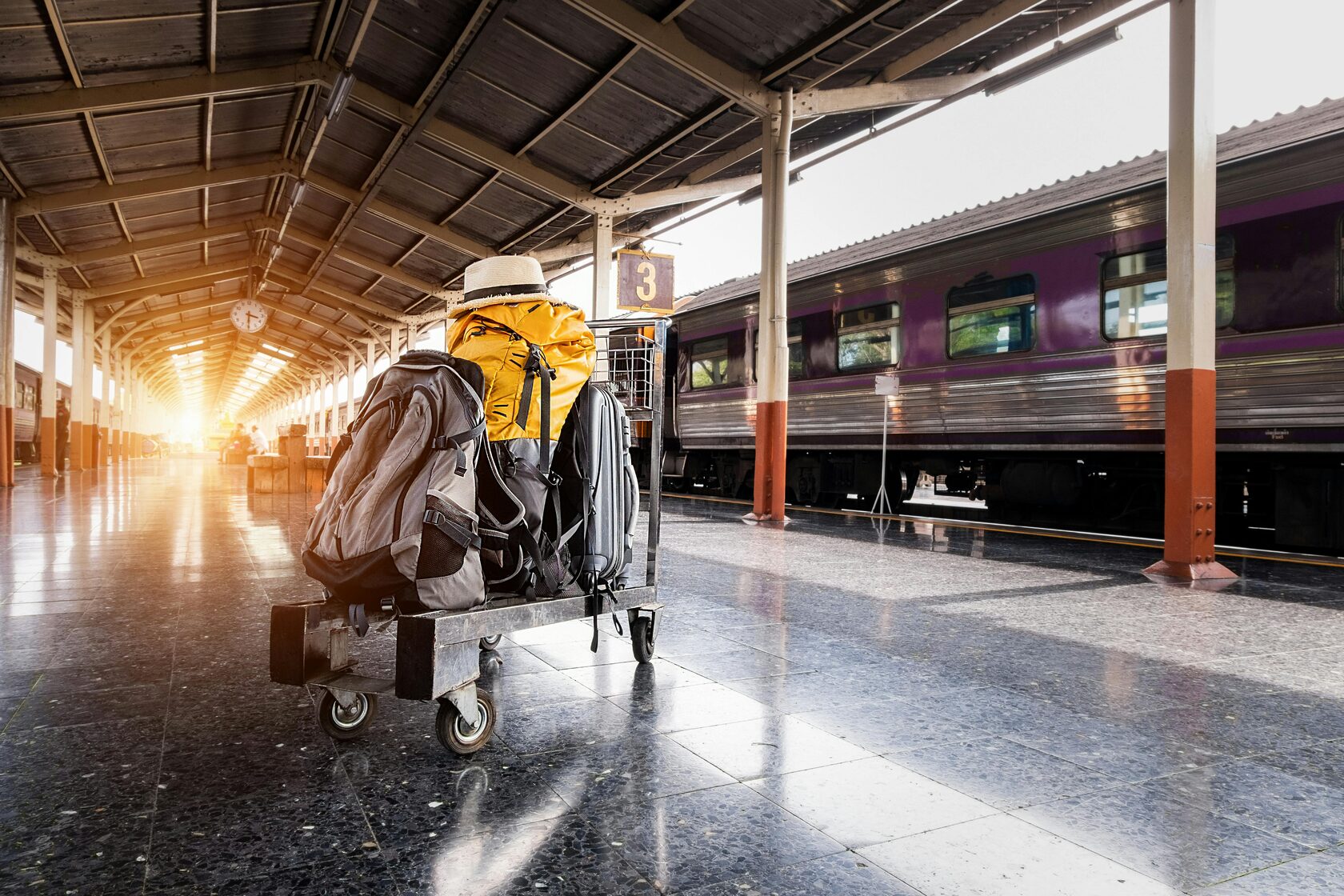
Solo Female Travel Safety: The Ultimate Guide + Essential Gear (2025 Update)
At LifeCrafted Co., we believe that solo travel is one of the most empowering and transformative experiences you can give yourself – and with the right preparation and mindset, it can also be one of the safest.
I'll never forget the moment I decided to take my first real solo trip. I was standing in my kitchen in Calgary, fresh off completing my debt-payoff journey, looking at a map of Europe spread across my counter. My husband was working, my business was finally stable, and for the first time in years, I had both the financial freedom and emotional bandwidth to do something just for me.
But I was terrified.
Not of the adventure itself – I'd always been drawn to travel and new experiences. I was terrified of all the "what-ifs" that everyone loves to share when you mention solo female travel. What if something happens and no one knows where you are? What if you get lost? What if you encounter someone with bad intentions? What if, what if, what if.
That trip to Europe changed my life. Not just because of the places I saw or the experiences I had, but because it taught me that with proper preparation, good judgment, and the right tools, solo travel as a woman isn't just possible – it's incredibly empowering and often safer than many people imagine.
Since then, I've traveled solo across multiple continents, produced an entire TV show (Road Bites) that involved solo road-tripping across Canada, and learned that the key to safe solo travel isn't avoiding adventure – it's being smart about how you pursue it.
Today, I'm sharing everything I've learned about solo female travel safety, from the planning stages to real-world strategies, essential gear that actually works, and the mindset shifts that will help you travel with confidence rather than fear.
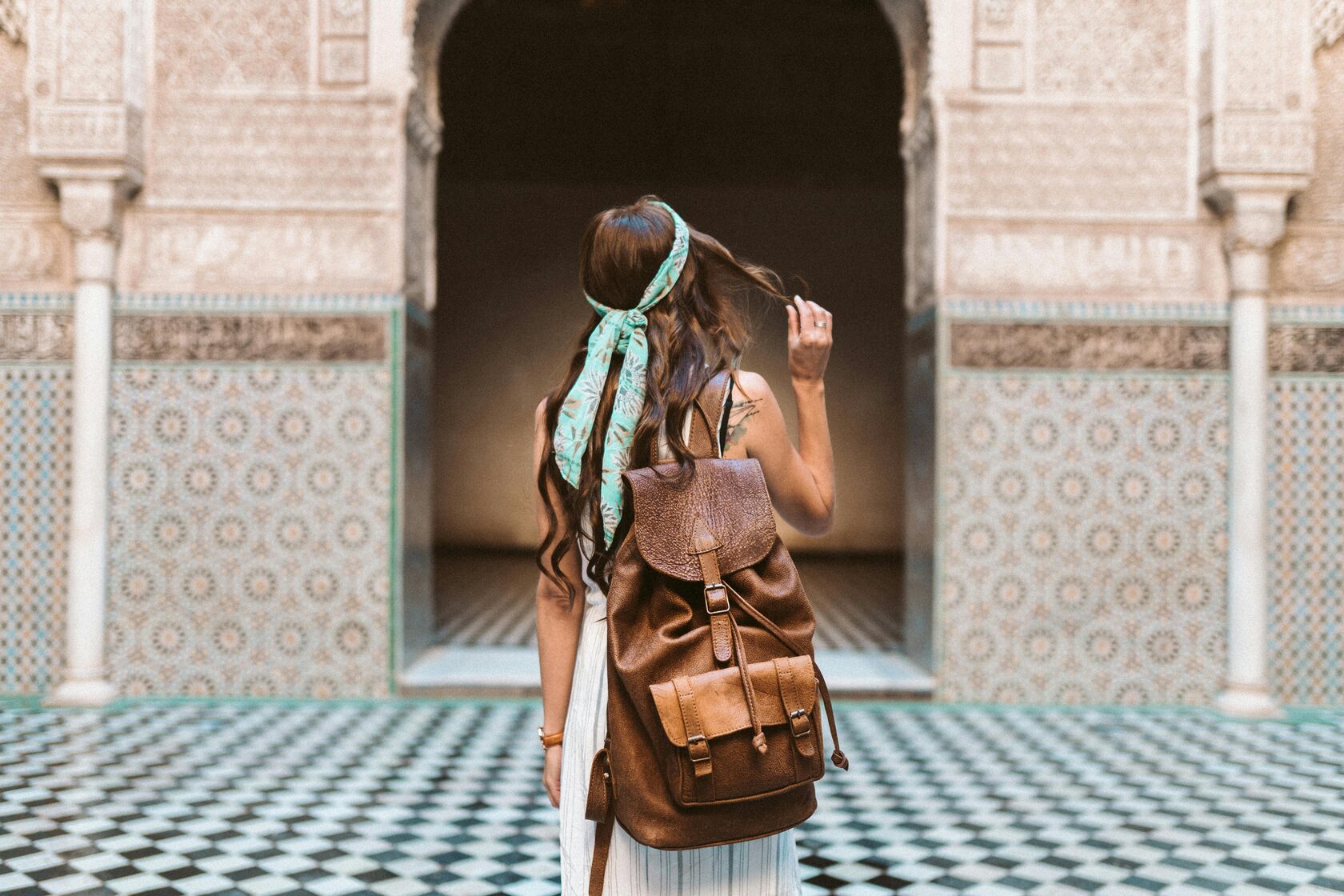
The Reality of Solo Female Travel in 2025
Let's start with some honesty: yes, there are additional considerations women face when traveling alone. But there's also a lot of fear-mongering and outdated advice floating around that does more harm than good.
The truth is, millions of women travel solo every year and have incredible, safe experiences. The travel industry has evolved significantly, technology has given us tools our mothers never had, and there's a growing global infrastructure designed to support solo travelers.
That said, being a prepared solo female traveler means acknowledging both the opportunities and the realities. It means doing your homework, trusting your instincts, and having backup plans. It doesn't mean living in fear or avoiding the world – it means engaging with it thoughtfully.
From my years in the film industry, I learned that the best productions are the ones with thorough preparation and multiple contingency plans. The same principle applies to solo travel: the more prepared you are, the more freely you can embrace the adventure.
Pre-Trip Safety Planning: Your Foundation for Confidence
The most important safety work happens before you even leave home. This isn't about planning every detail of your trip (though some structure helps), but about creating a foundation of knowledge and preparedness that will serve you throughout your journey.
Research That Actually Matters
Understanding Your Destination's Current Reality
When I was planning my solo portions of the Road Bites filming, I didn't just look at tourist websites – I dug into current local news, recent traveler experiences, and real-time safety conditions. Here's what actually helps:
- Recent travel blogs and vlogs from solo female travelers (within the last 6-12 months)
- Local news sources to understand current political climate, weather patterns, or safety concerns
- Government travel advisories (but take them with a grain of salt – they're often overly cautious)
- Local Facebook groups or forums where you can ask specific questions
- Transportation options and reliability in your destination
- Local emergency services and how they operate
Cultural Norms and Expectations
Understanding cultural context isn't just about being respectful (though that's important) – it's about safety. Different cultures have different norms around everything from eye contact to personal space to how women interact with strangers.
Research:
- Appropriate dress codes for different settings
- Common greetings and basic phrases in the local language
- Tipping customs and payment methods
- Local laws that might be different from home (seriously, some countries have very specific rules)
- How to recognize and avoid common scams in that area
Creating Your Safety Network
People Who Know Your Plans
This is non-negotiable: someone at home should always know where you're supposed to be and when. But make this system work for you, not against you.
- Choose one primary contact who gets your detailed itinerary
- Set realistic check-in schedules (daily check-ins work for some, weekly for others)
- Share accommodation details including addresses and booking confirmations
- Provide copies of important documents (passport, travel insurance, emergency contacts)
- Establish a code system for emergency communications if needed
Building Local Connections
Even for short trips, having some local connections can be invaluable:
- Contact friends of friends who live in your destination
- Connect with local tour guides or travel companies
- Join local meetup groups or travel communities
- Research women-only travel groups in your destination
Financial Safety Planning
Multiple Payment Methods and Backup Access
From my business-building days, I learned never to rely on a single financial resource. This applies to travel too:
- At least two different bank cards from different financial institutions
- Some cash in local currency (researched the best exchange options)
- Emergency cash stash hidden separately from your main funds
- Digital backup of important financial information stored securely
- Travel insurance that actually covers what you need (read the fine print!)
Budgeting for Safety
Sometimes the safest option costs more, and that's okay. Budget for:
- Safer accommodation options (well-reviewed, good locations)
- Reliable transportation rather than the cheapest option
- Backup plans (extra night's accommodation, alternative transport)
- Emergency communications (international phone plan, local SIM card)
Destination-Specific Safety Considerations
Not all destinations present the same challenges, and cookie-cutter advice doesn't serve anyone. Here's how to think about different types of destinations:
Urban Destinations
Major Cities in Developed Countries
These are often the easiest places to start solo traveling because infrastructure, services, and help are readily available.
Key considerations:
- Transportation safety varies widely even within the same city
- Neighborhood research is crucial – some areas are perfectly safe during the day but different at night
- Tourist vs. local areas each have their own dynamics
- Pickpocketing and petty crime are often more common than serious safety issues
What I learned filming in various Canadian cities: Even in places I thought I knew well, each city had neighborhoods and situations I needed to navigate differently. Research public transportation options, understand which areas to avoid after dark, and have backup transportation plans.
Rural and Remote Areas
The challenges are different but manageable:
- Limited cell coverage means communication planning is crucial
- Fewer people around can mean both less help and fewer potential problems
- Local knowledge becomes more important – connect with locals when possible
- Transportation breakdowns can be more serious when help is far away
From my Road Bites experience: Some of my safest and most magical travel moments happened in remote areas, but they required different preparation. I always had offline maps, extra supplies, and multiple people who knew my exact route and timing.
International Travel
Additional layers of complexity:
- Language barriers can complicate emergency situations
- Different legal systems mean different rights and resources
- Cultural differences in how safety issues are handled
- Embassy/consulate locations and how to contact them
Adventure and Outdoor Destinations
Special considerations for active travel:
- Weather and environmental hazards specific to the region
- Local guide vs. solo exploration decisions
- Emergency evacuation procedures if something goes wrong
- Equipment and skill level requirements
Essential Safety Gear That Actually Works (Honest Reviews)
I've tested a lot of travel safety gear over the years, and I'm going to be honest about what actually works and what's just marketing hype.
Personal Safety Devices
Personal Alarms
What they are: Small devices that make loud noises when activated Do they work? Limited effectiveness. The loud noise can scare someone off or attract attention, but they're not foolproof.
My experience: I carried one during my early solo trips for peace of mind, but never had to use it. The psychological comfort was worth it at first, but I found that good situational awareness and smart choices were more valuable.
Recommendation: If it makes you feel more confident, go for it, but don't rely on it as your primary safety strategy.
Self-Defense Tools
The reality: Laws vary wildly by location, and something legal in Canada might be illegal in your destination.
Better approach: Focus on awareness, de-escalation, and escape rather than confrontation. If you want to carry something, research local laws thoroughly.
Communication and Navigation Tools
Smartphone with Offline Capabilities
Essential apps and features:
- Offline maps (Google Maps, Maps.me, or similar)
- Translation apps that work offline
- Emergency contact apps that can send location data
- VPN for secure internet in countries with restricted access
Satellite Communication Devices
For remote travel: Devices like Garmin inReach or satellite phones When worth it: If you're traveling in areas with no cell coverage Reality check: Most solo travelers don't need this level of technology
Travel Security Accessories
Money Belts and Hidden Storage
What works:
- Flat money belts that lie flush against your body
- Clothing with hidden pockets for backup cash and documents
- Dummy wallets with small bills for situations where you need to hand something over
What doesn't work:
- Bulky, obvious money belts that scream "tourist"
- Anything that's uncomfortable enough that you won't actually use it
Luggage Security
Effective options:
- TSA-approved locks for checked luggage
- Cable locks for backpacks in hostels or transport
- RFID-blocking wallets if you're concerned about card skimming
My approach: I use basic locks more as honesty reminders than serious security. Determined thieves will get through them, but they deter opportunistic theft.
Technology for Safety
Portable Phone Chargers
Non-negotiable: A dead phone can turn a minor inconvenience into a safety issue. What I carry: A high-capacity power bank and charging cables for all my devices
International Phone Plans vs. Local SIM Cards
For short trips: International plans are usually worth the cost for convenience For longer stays: Local SIM cards offer better value and coverage
GPS Tracking Devices
For extreme situations: Devices that allow family to track your location Reality: Most people find this either unnecessary or too intrusive
Communication Strategies and Emergency Protocols
Having gear is only useful if you know how to use it effectively. Here are the communication strategies that actually work:
Staying Connected
Regular Check-ins That Work
What doesn't work: Rigid schedules that create panic when you're an hour late What does work: Flexible systems that account for real travel situations
My system:
- Daily text or message to my primary contact
- Longer check-in calls every few days
- Immediate notification if plans change significantly
- Emergency contact information easily accessible
Emergency Communication Plans
What to Do When Things Go Wrong
Medical emergencies:
- Know how to contact local emergency services
- Carry medical information and emergency contacts in local language
- Understand your travel insurance coverage and how to use it
Safety emergencies:
- Know your nearest embassy or consulate location
- Have local emergency numbers programmed in your phone
- Understand what local police can and can't help with
Financial emergencies:
- Know how to get emergency money from home
- Have backup payment methods
- Understand your bank's international policies
Language Barriers in Emergency Situations
Essential Phrases to Learn:
- "I need help"
- "Where is the police station/hospital?"
- "I don't understand"
- "Please call this number"
Technology solutions:
- Translation apps that work offline
- Emergency contact cards written in local language
- Photos of important addresses and information
Cultural Awareness and Respectful Travel Practices
Safety and respect go hand in hand. Understanding and respecting local cultures isn't just about being a good traveler – it's often about avoiding situations that could become unsafe.
Understanding Cultural Context
Dress Codes and Social Norms
This isn't about judgment – it's about fitting in and avoiding unwanted attention:
- Research appropriate dress for different settings (religious sites, restaurants, public spaces)
- Understand local concepts of personal space and interaction
- Learn about cultural attitudes toward women traveling alone
- Respect religious and cultural practices, even if you don't share them
Social Interactions
What I learned: In some cultures, friendly behavior that's normal at home can be misinterpreted. In others, what seems standoffish is actually respectful.
- Learn appropriate greetings and social interactions
- Understand cultural norms around eye contact, touching, and personal space
- Research how to politely decline invitations or interactions
- Know cultural context for tipping, bargaining, and business interactions
Building Positive Local Relationships
Connecting Respectfully
- Learn basic phrases in the local language (even "please" and "thank you" go far)
- Show genuine interest in local culture without being intrusive
- Support local businesses and communities
- Ask permission before photographing people or private spaces
When and How to Trust Your Instincts
Cultural awareness doesn't mean ignoring red flags:
- Trust your gut feelings about people and situations
- Distinguish between cultural differences and genuinely concerning behavior
- Know when to prioritize safety over politeness
- Understand that being respectful doesn't mean being naive
Real Stories from the Road (Lessons Learned)
Let me share some real experiences that taught me important lessons about solo travel safety:
The Helpful Stranger in Prague
The situation: During one of my early solo trips, I was obviously lost in Prague, studying my map with that confused tourist look. A well-dressed man approached offering to help.
What went right: Instead of immediately trusting or distrusting him, I used smart strategies:
- Stayed in a public area with other people around
- Asked him to point out directions on my map rather than following him
- Thanked him politely but didn't share details about where I was staying
- Trusted my instincts when the interaction felt normal and helpful
The lesson: Most people genuinely want to help travelers, but keeping smart boundaries protects you while still allowing for positive interactions.
The Transportation Mix-up in Rural Canada
The situation: While filming Road Bites, I found myself stranded when my planned accommodation fell through in a small town with limited options.
What went right:
- I had researched backup accommodations before arriving
- My support team knew my exact location and timeline
- I had local currency and a charged phone
- I'd connected with local contacts who could provide advice
What I learned: Having multiple backup plans isn't paranoia – it's smart travel. Some of my best travel experiences came from Plan B or C.
The Cultural Misunderstanding in Eastern Europe
The situation: I unknowingly violated a local custom and found myself in an uncomfortable situation with people who were clearly upset.
What worked:
- I immediately apologized, even though I didn't fully understand what I'd done wrong
- I asked for help understanding the correct behavior
- I showed genuine respect for their explanation
- I adjusted my behavior accordingly
The lesson: Humility and genuine respect can turn potentially negative situations into learning experiences.
Advanced Safety Strategies for Experienced Travelers
Once you've done some solo traveling and built confidence, you can refine your approach:
Reading Situations and Trusting Instincts
Developing Street Smarts
What to watch for:
- Changes in neighborhood atmosphere as you move through different areas
- People who pay unusual attention to your movements or belongings
- Situations where you're being separated from other people or public spaces
- Your own stress levels and emotional responses to situations
From my film industry background: We're always watching for changes in mood, energy, and dynamics on set. The same skills apply to travel – noticing when something feels different or off.
Advanced Planning Strategies
Multi-layered Backup Plans
Beyond basic planning:
- Alternative transportation options if your first choice fails
- Backup accommodations in different neighborhoods
- Multiple ways to access money and important information
- Different communication methods if your primary one fails
Seasonal and Event Considerations
- Research local festivals, holidays, or events that might affect safety or logistics
- Understand seasonal weather patterns and how they impact travel
- Plan around local political or social events that might create complications
Solo Travel in Challenging Destinations
When You're Ready for More Adventure
Building up gradually:
- Start with easier destinations and build skills and confidence
- Take guided tours in more challenging areas before going completely solo
- Connect with other experienced travelers for advice and insights
- Consider group travel for particularly adventurous destinations
Building Long-term Travel Confidence
The goal isn't just to travel safely once – it's to build the skills and confidence that let you travel freely throughout your life.
Skills That Transfer Between Trips
Practical Skills:
- Navigation in unfamiliar places
- Basic language learning techniques
- Cultural observation and adaptation
- Problem-solving under pressure
Emotional Skills:
- Managing anxiety and uncertainty
- Trusting your judgment
- Staying calm in unexpected situations
- Finding help when you need it
Learning from Each Experience
After every trip, reflect on:
- What safety strategies worked well?
- What would you do differently?
- Which fears were realistic vs. unnecessary?
- How can you improve your preparation for next time?
Building a personal safety database:
- Keep notes on what works for you personally
- Track which destinations and situations you handle well
- Note gear and strategies that prove most useful
- Build your own resource list for future trips
The Mindset Shift: From Fear to Empowerment
The biggest safety tool you have is your mindset. Moving from fear-based travel to confident, prepared travel changes everything.
Reframing Risk vs. Reward
Risk exists everywhere:
- Acknowledge that no travel (including staying home) is 100% risk-free
- Focus on managing and minimizing risk rather than eliminating it
- Understand that many travel fears are based on rare events amplified by media
- Recognize that you already manage risk successfully in your daily life
The rewards are real:
- Personal growth and increased confidence
- Cultural understanding and global perspective
- Independence and self-reliance skills
- Life experiences and memories that last forever
Learning to Trust Yourself
Building self-trust:
- Start with smaller solo adventures close to home
- Notice when your instincts are right about people and situations
- Practice problem-solving in low-stakes environments
- Celebrate your successes and learn from challenges
From my debt-payoff journey to business building to solo travel: Each challenge I've overcome has taught me that I'm more capable than I initially believed. The same will be true for your travel experiences.
Gear Recommendations by Travel Style
Not everyone needs the same equipment. Here are my honest recommendations based on different travel styles:
Urban Explorer
Essential gear:
- Comfortable walking shoes with good support
- Crossbody bag that zips closed
- Portable phone charger
- Basic first aid supplies
Nice to have:
- Lightweight day pack for longer walking days
- Water bottle that's easy to refill
- Small umbrella or rain jacket
Adventure Traveler
Essential gear:
- High-quality backpack with proper fit
- Weather-appropriate clothing layers
- Comprehensive first aid kit
- Emergency communication device (for remote areas)
Investment pieces:
- Quality hiking boots or travel shoes
- Reliable outdoor gear for your specific activities
- Emergency shelter or sleeping gear
Budget Backpacker
Focus on versatility:
- Gear that serves multiple purposes
- Quality basics that last
- Lightweight options to save on baggage fees
Money-saving strategies:
- Buy used gear and test it before traveling
- Borrow or rent expensive items for single trips
- Invest in a few key pieces rather than buying everything new
Luxury Solo Traveler
Comfort and convenience focus:
- High-quality luggage with good wheels and security features
- Comfortable travel clothing in versatile styles
- Technology that enhances rather than complicates travel
Worth the investment:
- Travel insurance that covers higher-value items
- Quality accommodations in safe, convenient locations
- Professional travel planning for complex itineraries
Creating Your Personal Safety Plan
Every traveler needs a personalized approach based on their comfort level, experience, and travel style.
Assessing Your Starting Point
Honest self-evaluation:
- What's your current comfort level with solo activities at home?
- How do you handle stress and unexpected situations?
- What are your specific concerns about solo travel?
- What skills do you already have that apply to travel?
Building gradually:
- Start with day trips in your own region
- Progress to overnight trips in familiar areas
- Build up to longer domestic travel
- Eventually expand to international destinations
Setting Realistic Goals
Short-term goals:
- Complete one solo day trip
- Book and take a weekend solo trip
- Learn basic safety skills and practice using them
Long-term goals:
- Travel solo to a destination you've always wanted to visit
- Take a solo trip that involves a new skill or challenge
- Become comfortable enough to help other women start solo traveling
Adapting as You Grow
Your safety needs will change:
- As you gain experience, you'll need less extensive preparation
- Different life stages bring different priorities and concerns
- New destinations and activities require updated planning
- Your comfort level will expand with successful experiences
The Future of Solo Female Travel
Solo female travel continues to evolve, with new resources, technology, and social attitudes making it easier and safer all the time.
Technology Trends
Helpful developments:
- Better translation technology
- Improved safety apps and communication tools
- More reliable international connectivity
- Better navigation and offline resources
Smart integration:
- Use technology as a tool, not a crutch
- Maintain basic navigation and communication skills
- Have analog backups for digital solutions
Industry Changes
Travel industry adaptation:
- More solo-friendly accommodations and tours
- Better safety standards and traveler resources
- Increased awareness of solo traveler needs
- Growing community of solo travel resources
Building Community
Supporting other women:
- Share your positive experiences and practical advice
- Mentor women who are just starting to travel solo
- Support businesses and destinations that welcome solo female travelers
- Challenge stereotypes and fear-based thinking about women's travel
Your Solo Travel Journey Starts Now
Solo female travel isn't about being fearless – it's about being prepared, smart, and open to the incredible experiences that await you. Every woman who travels solo contributes to making it easier and safer for the women who come after her.
The world is full of amazing places, kind people, and life-changing experiences. Yes, there are challenges and risks, but with proper preparation, good judgment, and the right mindset, those challenges become manageable parts of an incredible adventure.
At LifeCrafted Co., we believe that travel is one of the most powerful ways to craft a life you love. Solo travel, in particular, teaches you things about yourself that you can't learn any other way. It builds confidence, resilience, and a sense of your own capability that extends far beyond travel.
Every journey, thoughtfully planned. Every adventure, confidently embraced.
Ready to start your solo travel journey? Explore our curated collection of travel safety essentials and gear – every item tested by real solo travelers who understand that the best adventures are well-prepared adventures.
What's holding you back from solo travel, or what's the best solo travel advice you've received?
At LifeCrafted Co., we're passionate about empowering women to explore the world safely and confidently. From travel gear to planning resources, we curate products and share experiences that support your journey toward fearless, prepared adventure.